



- The Pulse
- Eat & Drink
Now Reading: Glue, Bats, and Roman Recipes: Lisbon’s August Belongs to Kids
-
01
Glue, Bats, and Roman Recipes: Lisbon’s August Belongs to Kids
Glue, Bats, and Roman Recipes: Lisbon’s August Belongs to Kids


Stone walls, cool air, a six-year-old trailing glue from her fingers—August empties Lisbon of crowds but fills its municipal museums with children. EGEAC, the municipal company managing more than twenty cultural spaces, has programmed over fifteen workshops and guided visits across eight venues this month, turning the quietest weeks of the year into the most inventive.
At Museu de Lisboa—Palácio Pimenta, families build a cardboard city on 1 August (10:30, ages 6+) and trace azulejo heritage on the 27th. At the Santo António branch, a 6 August workshop conjures the medieval Lisbon table—what children might have eaten eight centuries ago. At Teatro Romano, those aged 8+ try Roman recipes on 9 August and work as apprentice archaeologists on the 16th, cleaning and cataloguing fragments inspired by the installation O que Resta (“What Remains”). All three branches are free; register at reservas@museudelisboa.pt.
At Museu do Fado, a 6 August visit (ages 3+) turns the collection into a game, while a 26 August session lets six-to-ten-year-olds build fado puppets and Portuguese guitars. Casa Fernando Pessoa offers two week-long camps in the Jardim da Estrela (17–21 and 24–28 August, ages 7–12, €14/day; book at educativo.cfp@egeac.pt). The new Pavilhão Julião Sarmento in Belém opens the programme on 1 August with a sketching session (11:30, all ages), while at Atelier-Museu Júlio Pomar, a 22 August workshop in the artist’s centennial year invites children to construct articulated human figures, an echo of Pomar’s assemblage practice, on show in A Cola Não Faz a Colagem (“Glue Doesn’t Make the Collage”) until 6 September.
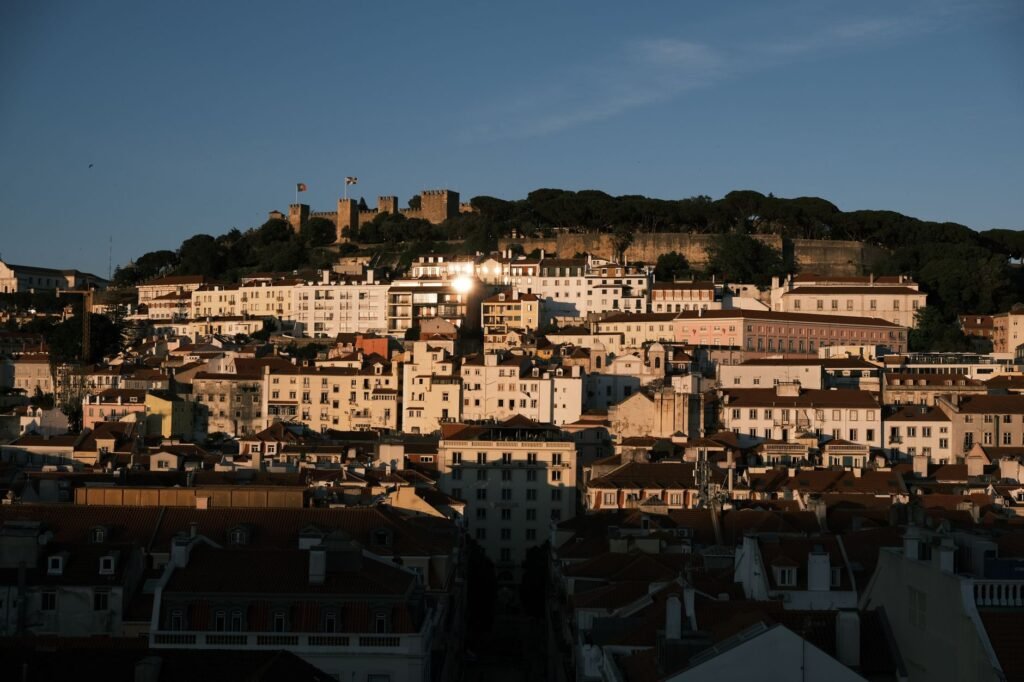
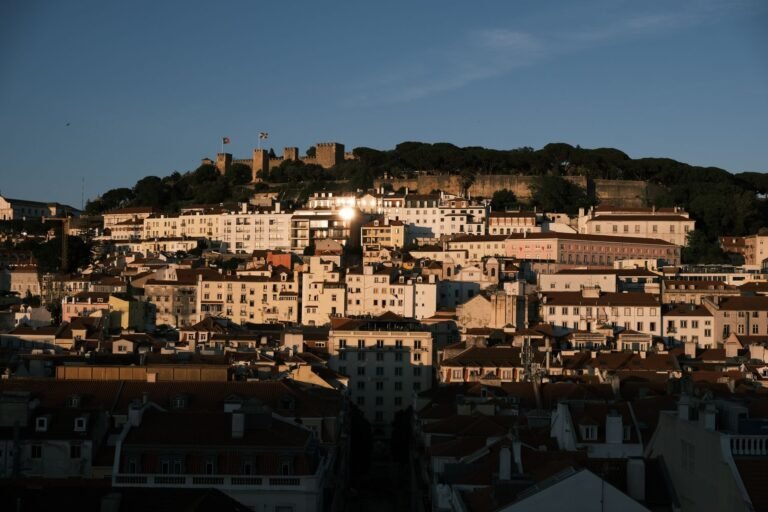
The programme shifts after dark. Every Friday in August at 20:30, biologists from Biota lead families through Castelo de São Jorge with ultrasound detectors, tracking the bats that roost among the ramparts (ages 5+; €10 adults, €5 under 18). The month closes on 30 August with a cyanotype workshop at the castle: sun-printed blueprints from the hilltop.
Keep reading
Previous Post
Next Post







Search the magazine
Enter to search · Esc to close