

- The Pulse
- Eat & Drink
Now Reading: Beyond the Ramp: Four Festivals Earn Portugal’s Accessibility Seal
-
01
Beyond the Ramp: Four Festivals Earn Portugal’s Accessibility Seal
Beyond the Ramp: Four Festivals Earn Portugal’s Accessibility Seal

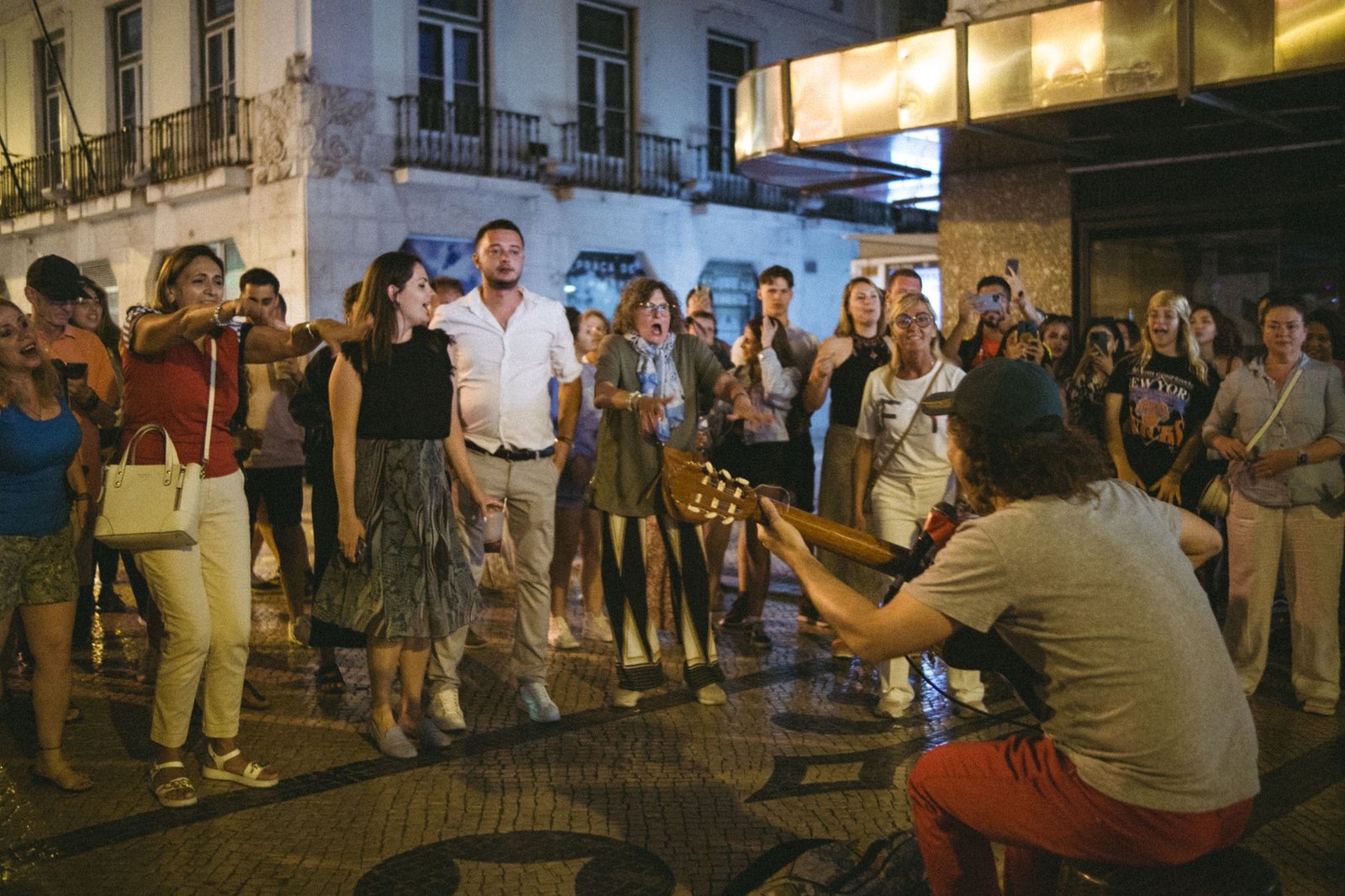
The crowd surges toward the Palco Mundo at Parque Tejo. For a wheelchair user, the swell is not atmosphere—it is architecture: a wall of standing bodies, a horizon that ends at someone else’s shoulders, ground that shifts from tarmac to gravel without warning.
This summer, Rock in Rio Lisboa addressed that wall head-on. New viewing platforms beside the main stage, a sensory room for overstimulated visitors, and a dedicated accessibility hub with trained staff earned it one of four “Festival Acessível” (“Accessible Festival”) certifications awarded by Turismo de Portugal and the Instituto dos Direitos das Pessoas com Deficiência for 2026. The other three: Feira do Livro de Lisboa, the street-arts festival Imaginarius in Santa Maria da Feira, and Serralves em Festa in Porto.
The programme, created under Turismo de Portugal’s All for All initiative, evaluates events on comfort, safety, circulation autonomy, access to information, and inclusive cultural experience. Portugal won the UN World Tourism Organization’s first-ever Accessible Tourism Destination award in 2019; this certification is the operational follow-through: a plaque turned into policy.
The 2026 cohort goes well past ramps and reserved seating. Serralves em Festa, celebrating its 20th edition with 50 free hours of programming and more than 650 artists, offered haptic vests at selected concerts on the Prado Stage, letting deaf audience members feel the music through vibration. Imaginarius, certified for the third time since 2023, provided noise-cancelling headphones for neurodivergent visitors, Braille materials, sign-language interpretation, and free shuttle transfers between Europarque and the historic centre. The Feira do Livro de Lisboa (350 pavilions, more than 2,200 events across its 96th edition) debuted free pushchair loans, a staff accessibility video guide, and a ColorADD partnership so colour-blind visitors could navigate signage.
The programme is growing: only two festivals were certified in 2025; four passed this year. Applications for the current cycle remain open until 30 September 2026, with a three-month lead time before the event. An annual prize of up to €15,000 rewards the most accessible festival among candidates.
Back at Parque Tejo, the viewing platform is a simple steel structure, a few metres of elevation and an unobstructed sightline. It is not revolutionary engineering—just the difference between watching a concert and hearing one from behind a crowd you cannot see past.