

- The Pulse
- Eat & Drink
Now Reading: Lisbon’s €10 Lunch: the Tasca Meal That Refuses to Die
-
01
Lisbon’s €10 Lunch: the Tasca Meal That Refuses to Die
Lisbon’s €10 Lunch: the Tasca Meal That Refuses to Die

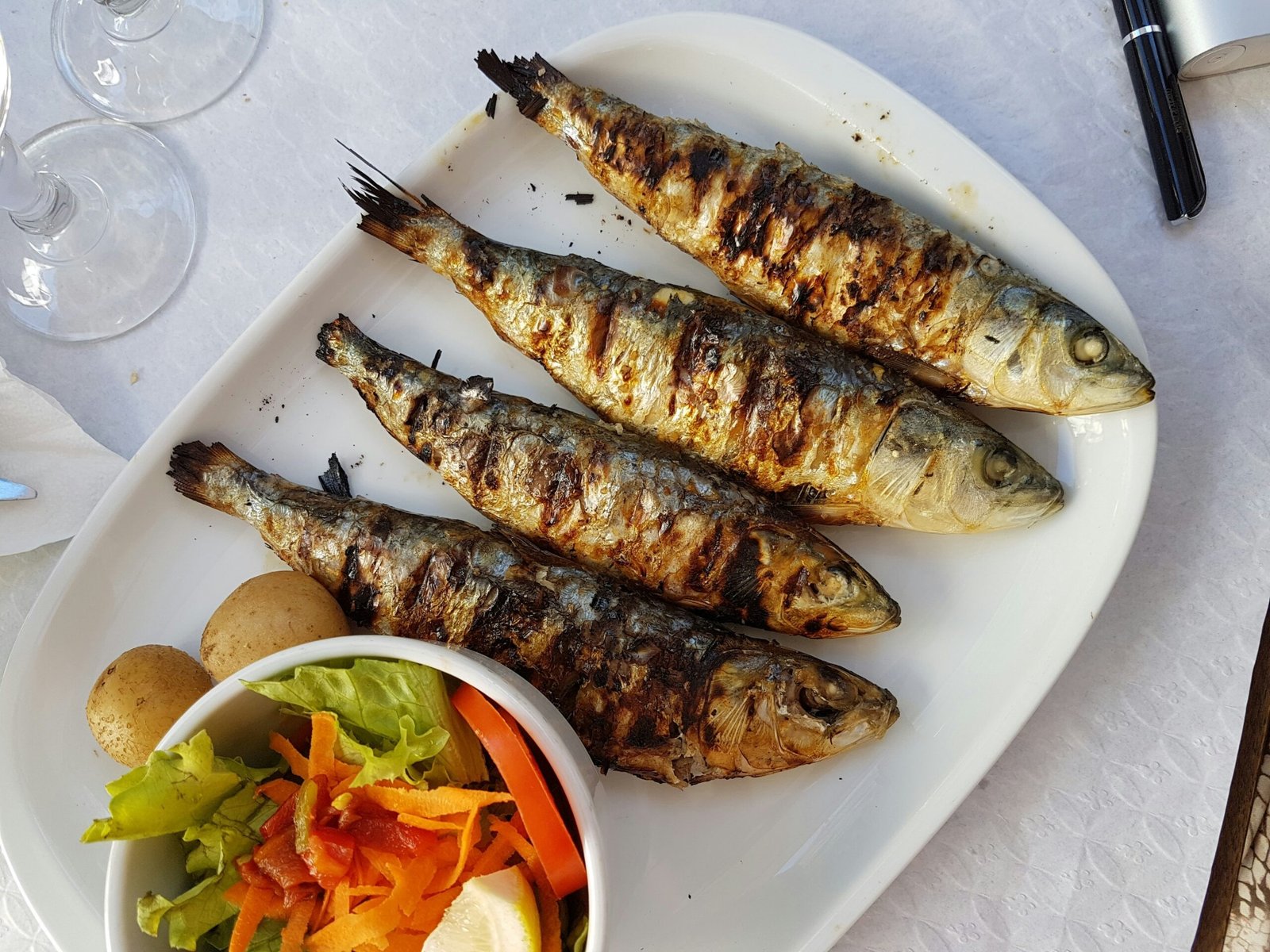
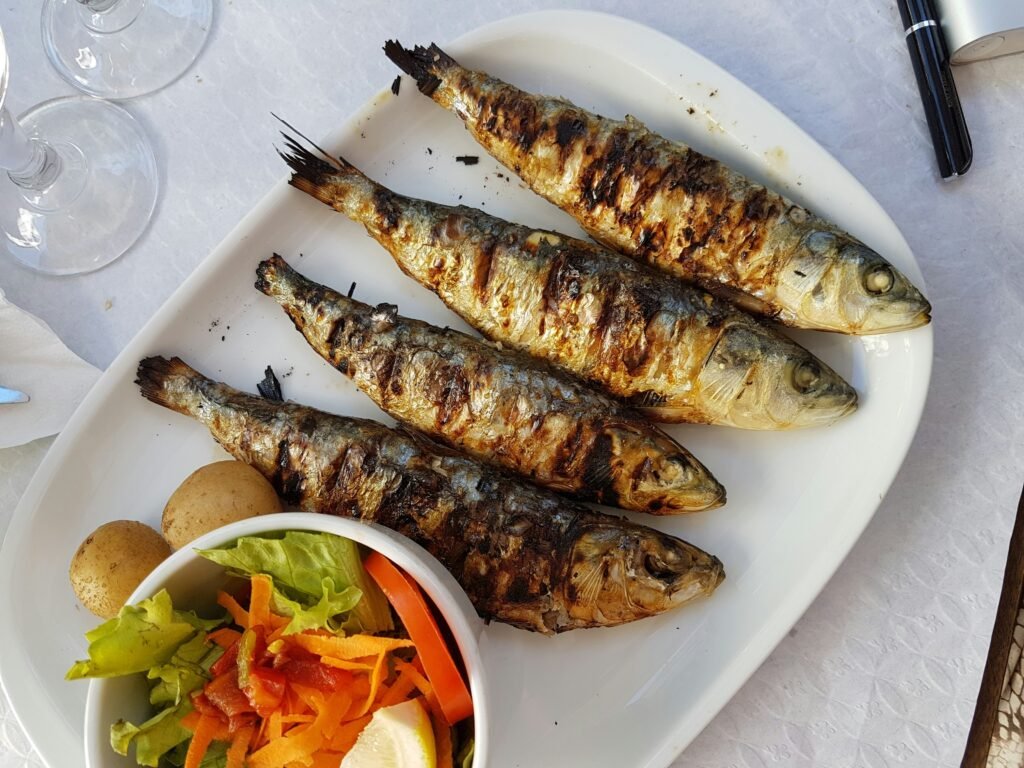
At A Rampa, the chalkboard lists today’s options in felt-tip capitals: carne de porco à alentejana, bacalhau à Brás, sopa de agrião. A courier parks his scooter on the pavement, a retired woman claims her usual corner, and two women in blazers from a nearby Avenida da Liberdade office split a jug of house wine. Everyone pays roughly the same—around €10 for soup, a main, a drink, dessert, and coffee.
This is the prato do dia, Lisbon’s daily-set lunch. In 2026, it remains the city’s last democratic meal. While brunch menus and tourist-pitched tasting plates colonise the same streets, the format holds at neighbourhood tascas where a full almoço still costs between €7 and €12, depending on the parish and the protein. It is also, increasingly, a meal served under economic siege. First reported by Observador — 16 tascas em Lisboa para comer um bitoque até 10 euros.
At Tasca do Tretas (Rua Carlos Mardel 115A), daily specials run €4.90 to €5.50; add €1 soup and a glass of wine, and you leave for under €8. In Campo de Ourique, O Bitoque, open for roughly ninety years with its original counter and tiled walls intact, serves its namesake dish with sauce, sliced potatoes, egg, and vegetables for €11. In Chiado, Cantina das Freiras (Travessa do Ferragial 1) offers a complete menu under €10 with a view of the Tagus, operating Monday to Friday from 12:00 to 15:00 in the Palacete O’Neill, where the ACISJF founded a refuge for vulnerable women in the 1940s. The canteen outlived its original mission; the €10 lunch did not change its audience: office workers, anyone who knows where to look.
What has changed is the arithmetic behind the plate. Food input costs in Portugal rose 4.8% in 2025, then accelerated to 6.4% by March 2026. Vegetables climbed 28%, eggs 24%, meat 8%. Commercial rents on Lisbon’s prime streets have risen 61 to 65% over the past decade: €140 per square metre on Rua Augusta, €145 on Rua Garrett. The maths is blunt: a tasca charging €10 per head cannot outbid a brunch concept for the same lease.
The toll is visible. Between January and May 2026, Portugal registered 9,279 restaurant closures against 6,446 openings—a net loss of 2,833 establishments. In July 2025, Beira Gare, a 117-year-old restaurant near Rossio Station that had opened in 1908, closed after its building was purchased by a real estate fund; the space is becoming a hotel. Between 2000 and 2023, Lisbon lost 82 historic shops, with 16 emblematic establishments closing in 2023 alone, the worst year in three decades.
Yet the format refuses to die quietly. The same dish costs €2 to €4 more at dinner; the prato do dia is a lunchtime covenant, not a business model that scales to evening service. Its survival depends on volume: fill every seat between 12:00 and 14:30 and limit the menu to three options. The Tascando contest, now in its third edition, gathered 120 tascas from Lisbon, Porto, Braga, and Aveiro in May 2026, with Taberna Manuel da Gorda in Trafaria winning the Lisbon region. The competition expands to 160 tascas and two new cities in 2027, proof that the tasca is being canonised precisely because it is threatened.
Back at A Rampa, the courier finishes his tuna steak, the most expensive item on the menu at €9, wipes his mouth with a paper napkin, and is out the door in twenty minutes. The retired woman orders a coffee and stays. The bill for both, with everything included, is around €20. In a city where commercial rents reach €145 per square metre, that number is not a price. It is an act of resistance.